

Readtime: 26 min
Every product is carefully selected by our editors and experts. If you buy from a link, we may earn a commission. Learn more. For more information on how we test products, click here.
- A well-configured surround sound system doesn’t need to be expensive. Proper speaker placement, connections and calibration can make a bigger difference than upgrading your equipment.
- Traditional 5.1 systems use five speakers and a subwoofer, but smaller setups like 3.1 or a soundbar may be more practical depending on your room.
- Getting the best sound means balancing speaker positioning, bass management and room calibration before deciding whether an equipment upgrade is necessary.
You can spend good money on the latest OLED TV and a stack of high-end surround sound speakers for a more cinematic experience at home, only to find yourself turning the subtitles on because the dialogue is hard to hear. Meanwhile, an explosion rattles your partner’s eardrums in the other room, and those rear speakers you carefully installed barely seem to do anything.
More equipment or more expensive brands aren’t always the answer. Speaker placement, the right connections and all those settings buried deep within an AV receiver’s menus can significantly affect how everything sounds. Even a fairly modest system can punch well above its weight when it’s set up for the room it’s actually in.
Whether you’re assembling your first surround sound system, wondering if a sound bar will do the job or trying to get more out of gear you already own, here’s how to put it together, make sense of the technology you’re listening to and know when an upgrade is worth considering, or whether a bit more tinkering is in order.
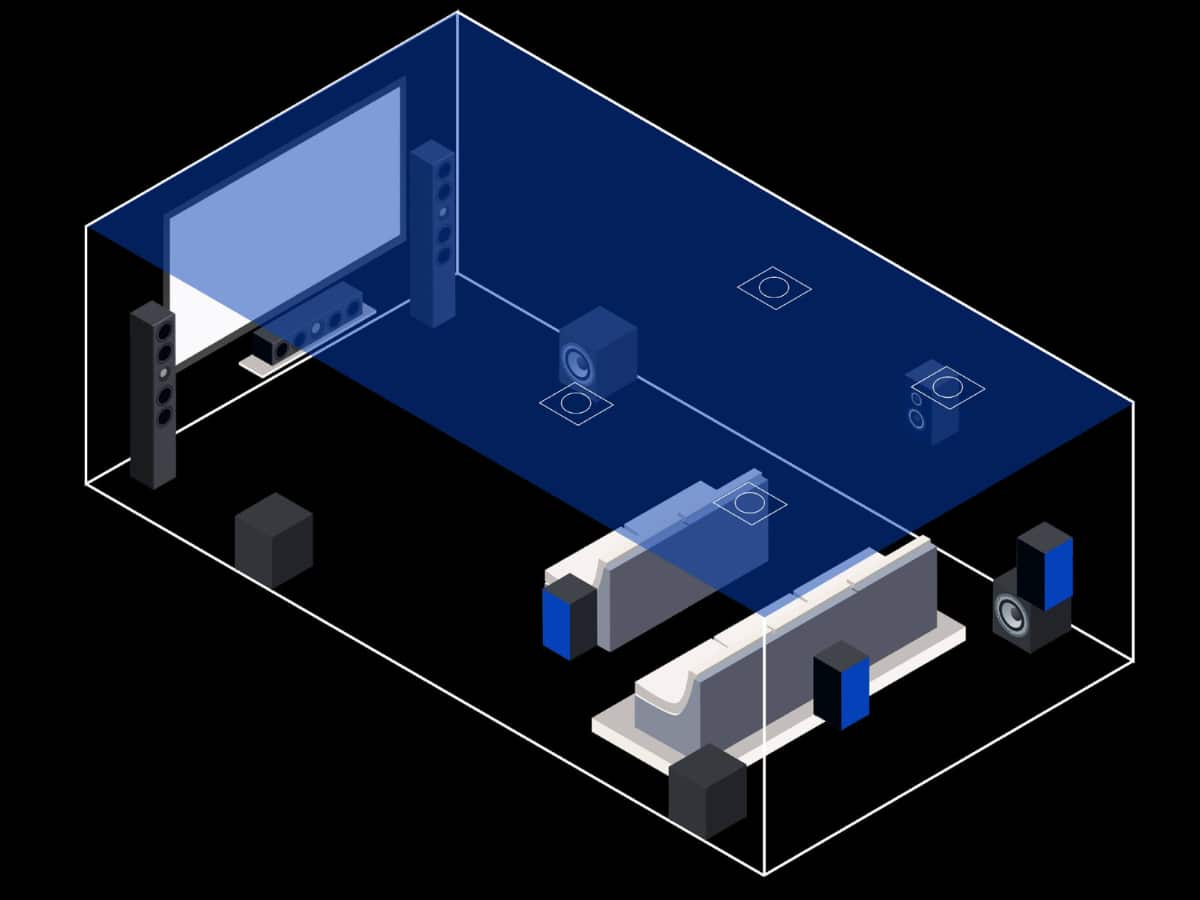
1. Choose the Right Surround Sound Setup for Your Room
Before you start worrying about speaker cables and crossover frequencies, work out how many speakers you actually need. Most of us are already familiar with stereo, even…