
Ofcom has finally decided where BBC iPlayer, ITVX, Channel 4 and 5 should sit on your smart TV’s home screen. Its final rules, published today, set out how connected TVs and streaming devices must treat the UK’s public service broadcasters.
It’s the answer to a problem the broadcasters have been warning about for years. As more of us watch through Fire TV sticks, Roku boxes and smart TVs, the home screen belongs to Amazon, Samsung and Google, and the best spots tend to go to Netflix, Prime Video, Disney+ and whoever else is paying for them (or owns the platform).
The BBC, ITV and the rest feared they were disappearing among the American giants. The government decided to step in, and these rules are how British TV gets a protected spot among all those expensive US icons.
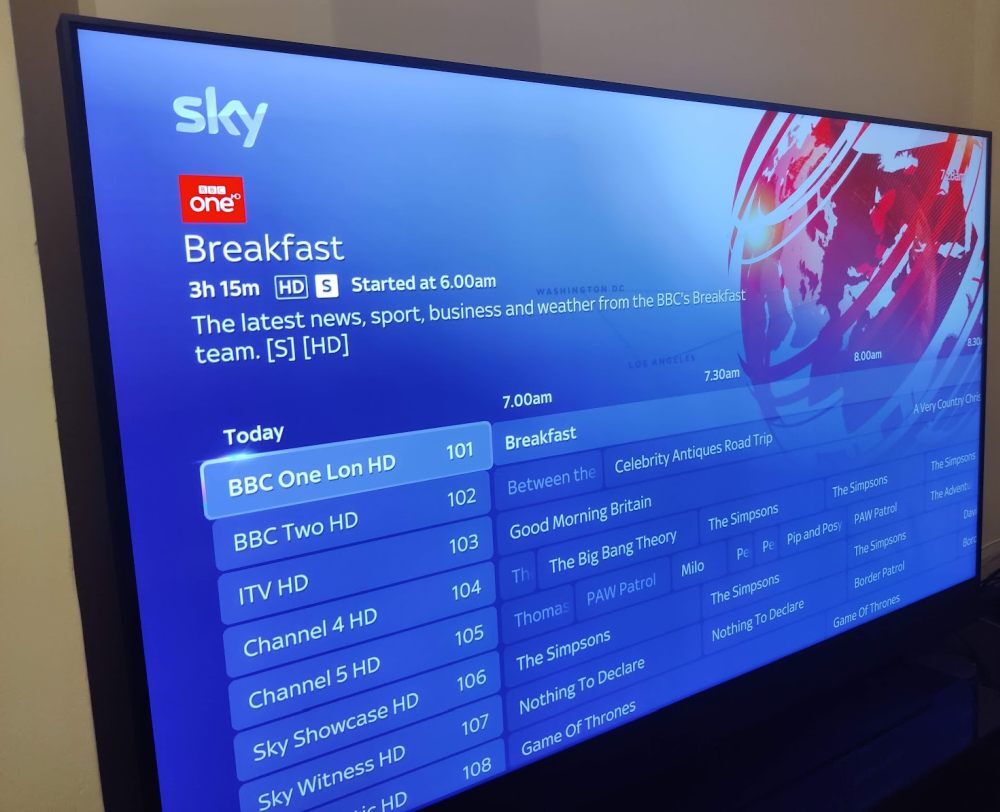
Under Ofcom’s new Code of Practice, the broadcasters’ apps should sit within the first nine tiles of the main app row. BBC One should take the first spot in the live channels list.
And when a BBC or ITV programme is the best match for what you searched for, it should come out on top, even above shows a platform has been paid to promote.
The rules cover 15 platforms, from Amazon’s Fire TV and Roku to Samsung, LG, Sky and Virgin Media, and older TVs already sitting in your living room aren’t exempt.
Don’t expect to see any of it soon, though. The government still has to set a start date, and Ofcom thinks platforms will need 12 to 18 months to get ready once it does.
What Ofcom Has Actually Published
On Freeview, Freesat, Sky and Virgin Media, BBC One, BBC Two, ITV, Channel 4 and Channel 5 have long been guaranteed the top slots in the TV guide.
There’s no equivalent guarantee on a smart TV or streaming stick, where the broadcasters’ apps compete for space with everything else.
The Media Act 2024 tackled that by creating a new legal duty: the most popular connected TV platforms must give the broadcasters’ streaming apps, their programmes and their live channels “an…