
As we speak, the biggest TV-makers in the game are shipping their latest (and in some cases greatest) models to retailers and customers all over the world. But if you take a scroll through the listings of major retailers, you’re bound to notice a mix of both new TVs and models released last year.
To make matters more complicated, the year-old sets are almost always cheaper than the models replacing them. In some cases, sets from two years ago linger long into the calendar year.
With so many options at varying price points, it’s easy to feel overwhelmed. Having been covering this industry for over a decade, I’m here to help.

Last-year’s TVs offer a similar experience for a much lower price
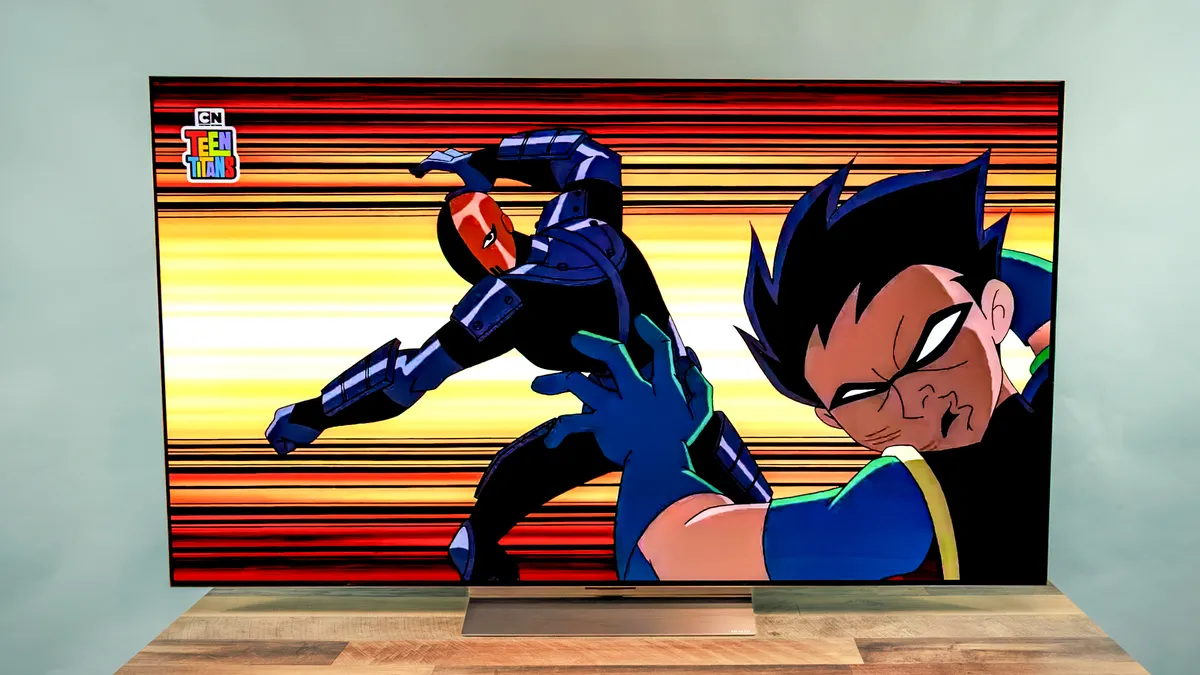
To keep things simple, let’s compare two TV series separated by a year: the LG C5 and C6 OLED.
Year after year, LG’s mid-range, C Series OLEDs are massively popular due to their excellent picture quality, ample features and lower price compared to higher-end OLEDs. The C6 made its debut about a month ago while the C5 has been on shelves for a year. Here’s how their performance stacks up.
| Header Cell – Column 0 |
LG C6 (2026) |
LG C5 (2025) |
|---|---|---|
|
SDR Brightness (10%, in nits) |
355 |
335 |
|
Delta-E (lower is better) |
1.5 |
1.3 |
|
HDR Brightness (10%, in nits) |
1,355 |
1,165 |
|
UHDA-P3 Gamut Coverage |
99.77% |
99.45% |
|
Rec.2020 Gamut Coverage |
75.92% |
76.18% |
|
Input latency (milliseconds) |
9.1 |
9.1 |
These are very similar TVs. The C6 offers a slightly brighter picture (particularly as it relates to HDR highlights), but most folks would be hard pressed to notice the difference outside of a careful, side-by-side comparison.
You might be wondering about their features. These, too, are almost identical year over year. The C6 supports 4K gaming at up to 165Hz while the C5 tops out at 144Hz, but this spec is rather niche in that it only pertains to people who plan on plugging in a…