

Chromebooks are in a sorry state, but it highlights a wider problem. Just what is happening with the desktop platform, and what is the future of Chrome OS?
Laurels fully rested upon
Chrome OS has been around for a long, long time, with the Pixelbook first showing us what a premium experience using just a browser could be. In the years that have followed, we’ve seen various Chromebooks putting Chrome OS at the heart of education and plenty of other retail spaces in favor of the “traditional” Windows laptops and, in some rare cases, MacBooks.
Efforts to break into the “premium” segment have been tough, as high-end hardware can’t be fully utilized on a browser-based operating system.
Gaming Chromebooks have also been a bust. While the now-defunct Stadia was used as a selling point, cloud-gaming has diminished or been reduced to just a few expensive players – namely, Nvidia’s GeForce Now. Google’s inability to capitalize on this when Stadia was arguably the best way to play cloud games is another component in the disappointing gaming Chromebook uptake.
Much of the Chromebook market is propped up by cheap, accessible, but ultimately woefully underpowered machines that leave a sour taste in the mouths of those who use them or are forced to use them day-to-day. It’s much easier to convince someone to buy a $500+ Windows machine that will run all of your work-related software than to be limited to workaround browser-based software packages.
At no point have we seen any of the “big” software players look to jump over and support Chrome OS. Glaring omissions like the Adobe Suite or even certain Microsoft packages make it truly hard for lots of people to even consider a Chromebook over other platforms.
A confusing new tier
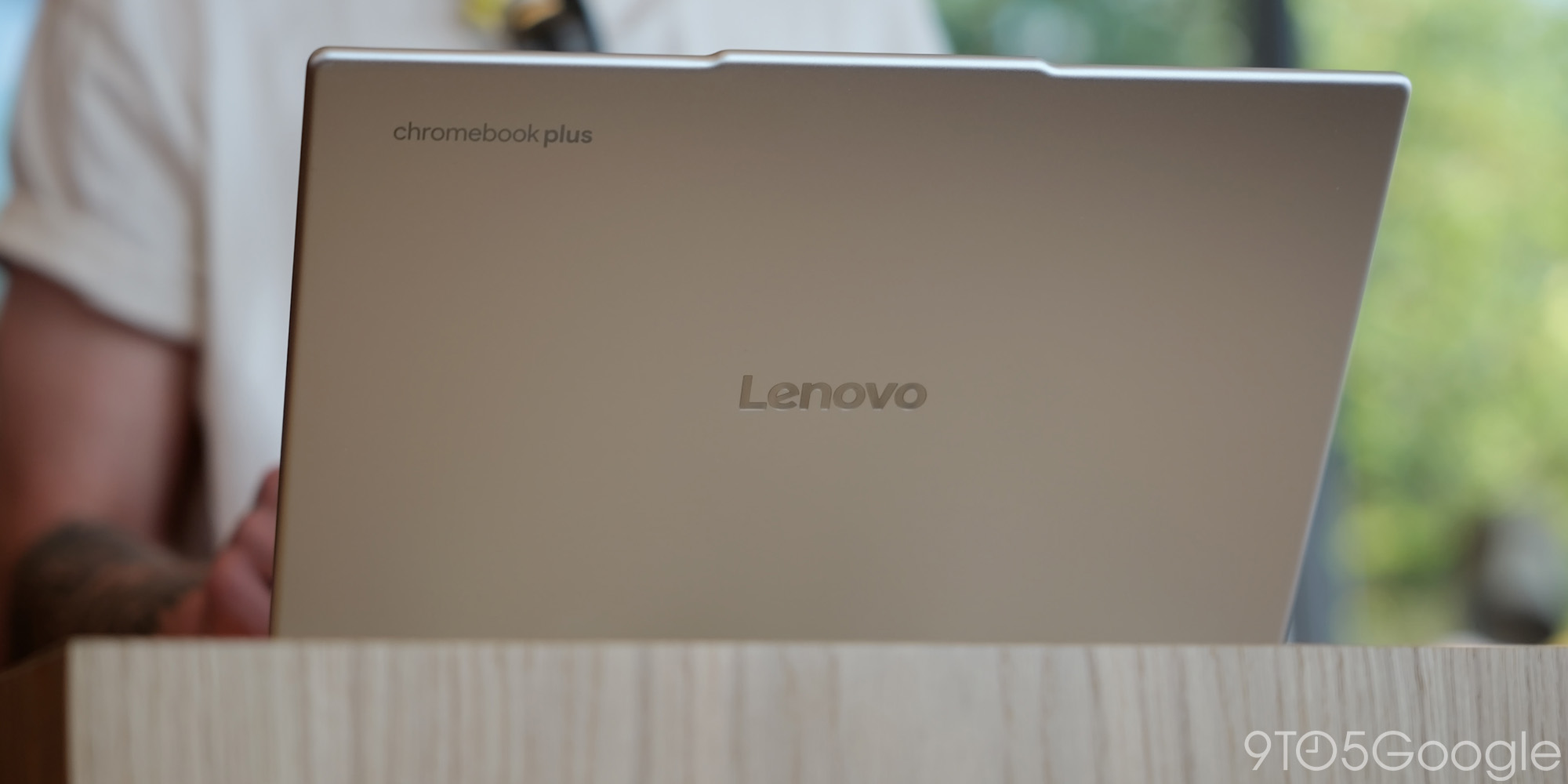

Google added…